In photovoltaic inverters, time serves not only as the foundation for data recording but also as a critical parameter for system operation, dispatching, and maintenance. From grid-connected control and peak-valley regulation to power generation data logging and fault tracing, all critical operations rely on a stable, continuous, and reliable time reference.
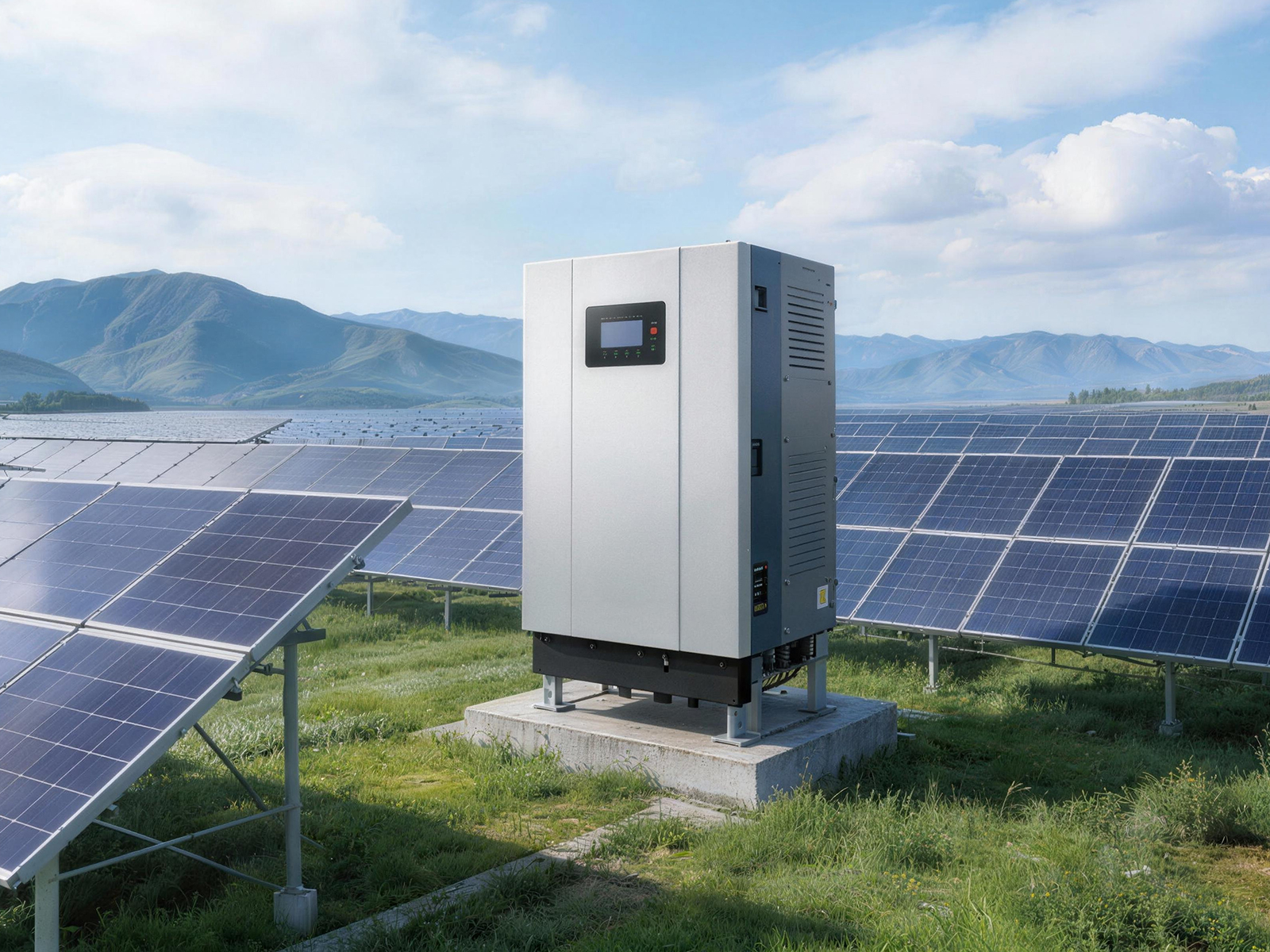
The YXC Yangxing Technology YSN8025TS industrial-grade high-precision RTC chip is engineered for photovoltaic inverters operating in harsh outdoor conditions, including extreme temperature variations and frequent power switching. It supports centralized, string, micro, and integrated PV-storage systems, delivering stable and reliable time management.
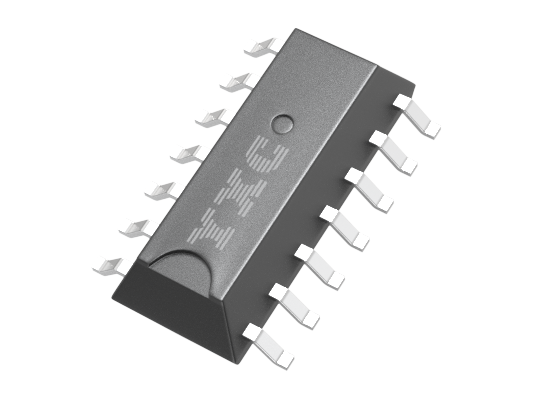
YXC High-Precision RTC: YSN8025TS
The core functionalities of photovoltaic inverters depend on a stable and continuous time reference. Below are typical application scenarios and time management requirements:
|
Core Needs |
Specific application scenarios |
Impact of the absence of RTC chip |
|
Power generation data compliance record |
Track real-time power consumption and daily/monthly generation, with timestamps for subsidy claims, revenue calculation, and long-term data archiving. |
The discontinuous or inaccurate timestamps result in inadequate traceability of power generation data, making it difficult to meet grid connection and compliance requirements such as IEC 61727 and GB/T 37408. |
|
peak and valley dispatching |
According to the peak-valley electricity price strategy, the energy storage is prioritized to supply power during peak hours, while the charging strategy is implemented during off-peak hours. |
The time base is unstable, the peak and valley period is not accurate, the execution of the dispatching strategy is deviated, which affects the grid-connected control and the system economy. |
|
fault diagnosis |
By correlating time with overvoltage, overcurrent, and IGBT overheating events, combined with illumination and grid status, the system can accurately locate the fault. |
Event timestamps cannot be precisely aligned, making fault correlation analysis difficult, reducing operational efficiency, and prolonging troubleshooting cycles. |
|
Low-power standby time maintenance |
Enter standby mode at night or in low-light conditions. The system time must remain continuous even after the main power is turned off. |
Relying on network or master control synchronization increases system power consumption and response latency. After power-on, the system requires re-calibration, which affects startup efficiency. |
Key Features of YSN8025TS: Matching Photovoltaic Inverter Timing Requirements
The YSN8025TS is a high-precision RTC chip engineered for industrial-grade demanding applications. Its core features are perfectly aligned with the operational environment and functional requirements of photovoltaic inverters, delivering stable and reliable time reference support to the system.
(1) Industrial-grade reliability | Wide-temperature range and high precision, suitable for harsh outdoor environments
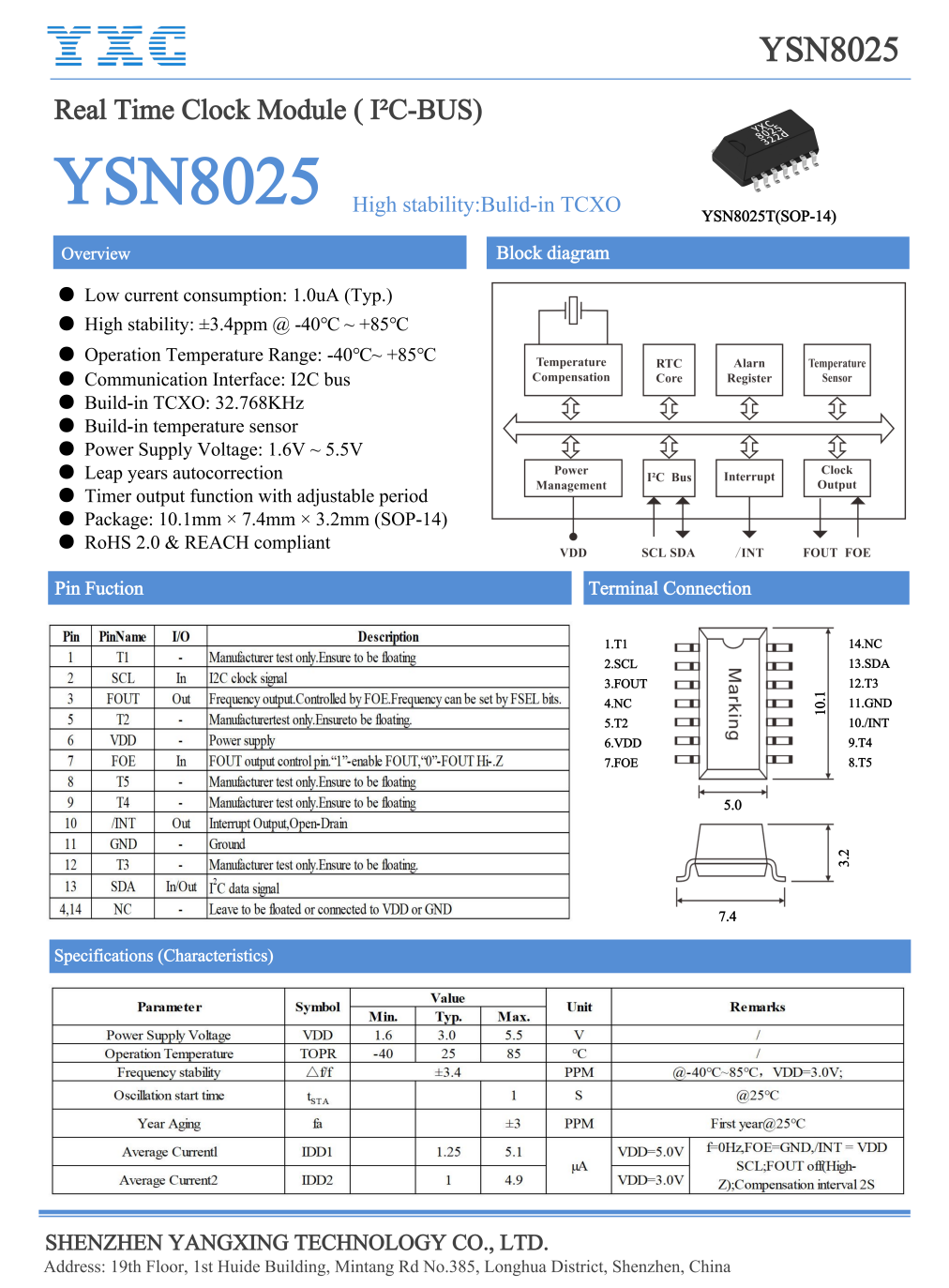
Photovoltaic inverters operate continuously in harsh environments including extreme heat, severe cold, and strong electromagnetic interference. The YSN8025TS features an industrial-grade wide-temperature design covering-40°C to +85°C, with an integrated temperature compensation circuit that maintains ±3.4ppm timing deviation across the entire temperature range. This ensures time accuracy remains stable regardless of environmental changes, meeting the reliability requirements for a photovoltaic system's 25-year lifecycle.
(2) Low-power long standby | Reduced lifecycle O&M costs
The YSN8025TS maintains a low current of just 1μA, supporting a wide voltage range of 1.8 to 5.5V, which effectively extends the lifespan of backup batteries. It reduces maintenance frequency in centralized inverters and effectively controls self-consumption in microinverters and distributed systems, lowering overall O&M and backup power costs while enhancing product competitiveness.
(3) High Precision and Multifunctionality | Supporting the Intelligent Scheduling Requirements of Inverters
With a timing accuracy of ±3.4ppm, the chip ensures precise execution of time-sensitive tasks such as peak-valley electricity price switching and energy storage charging/discharging strategies. It supports multiple interrupt functions, enabling direct triggering of core tasks like charging/discharging switching, scheduled self-checks, and fault logging without requiring polling by the main control MCU, thereby reducing system load and improving response efficiency.
Brief Datasheet:YSN8025
If you are designing clock solutions for photovoltaic inverters, energy storage systems, or Energy Management Systems (EMS), feel free to contact us for detailed specifications, sample testing requests, or technical consultations.