YXC announces the discontinuation of selected oscillator products. Check the affected models, recommended alternatives, and key Last Time Buy and Last Time Ship dates.
2026/09/30
09/30
2026
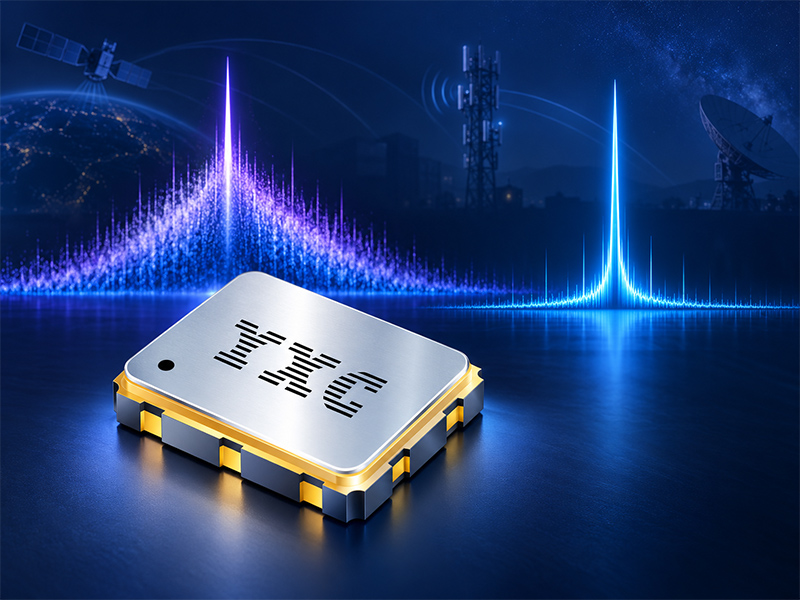
Why Phase Noise Matters in Crystal Oscillators
Lower phase noise indicates a cleaner reference clock, helping reduce the effect of clock noise on system performance.
09/29
2026
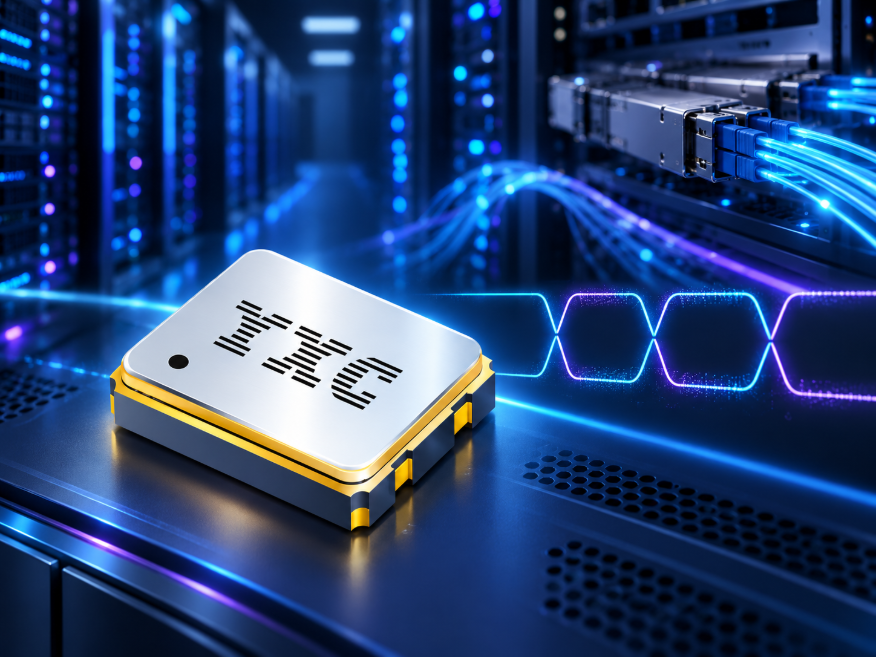
AI Computing Drives Demand for Ultra-Low-Jitter Differential Oscillators
As optical interconnects continue to evolve toward higher data rates, stable and low-jitter reference clocks will remain an essential part of the signal chain. The YSO233UJ gives designers a high-frequency differential oscillator option for 800G and next-generation optical-module designs.
09/21
2026
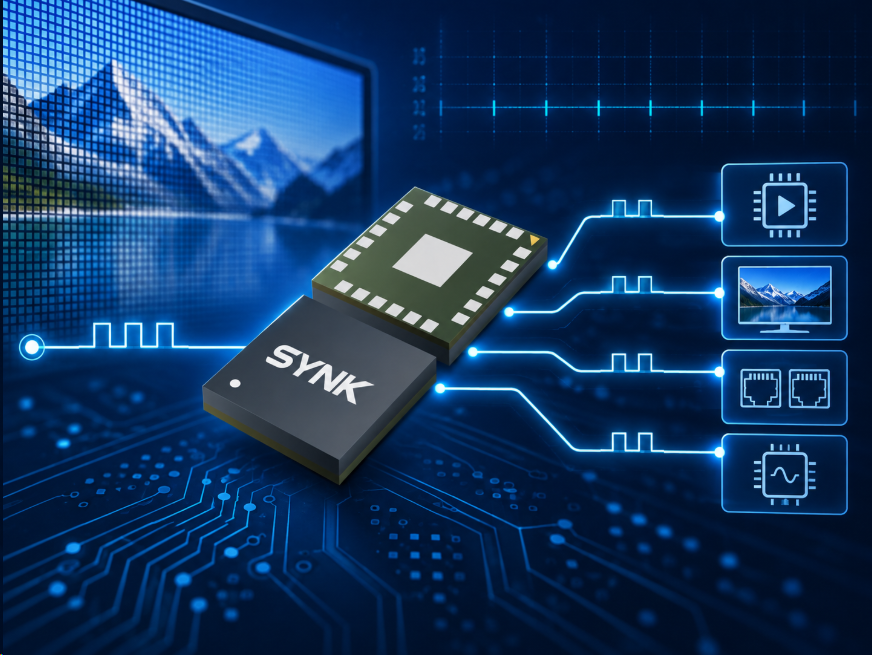
Multi-Clock Solution for 8K Video Processors
By consolidating multiple clock frequencies into a single configurable device, the SYKG1042E (Q5) helps simplify clock-tree design while improving system flexibility and synchronization.
Multi-Clock Solution for 8K Video Processors
2026/09/16
09/16
2026
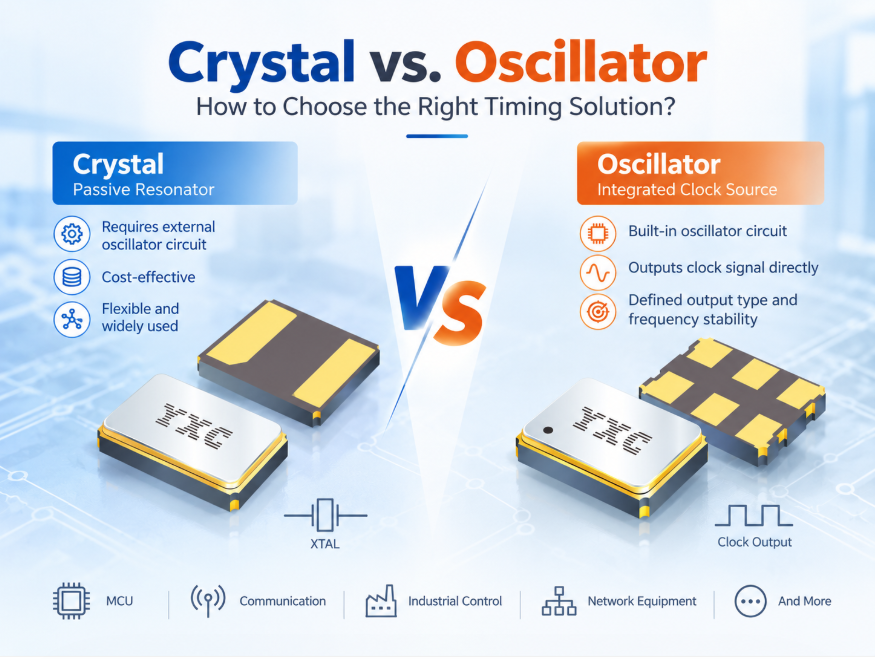
How to Choose a Crystal or Oscillator: Differences and Selection Guide
Choosing the right timing component involves more than simply selecting a frequency and package size. The first step is to understand the difference between a quartz crystal (crystal resonator) and a crystal oscillator, and then evaluate the parameters that matter for each type.
09/14
2026
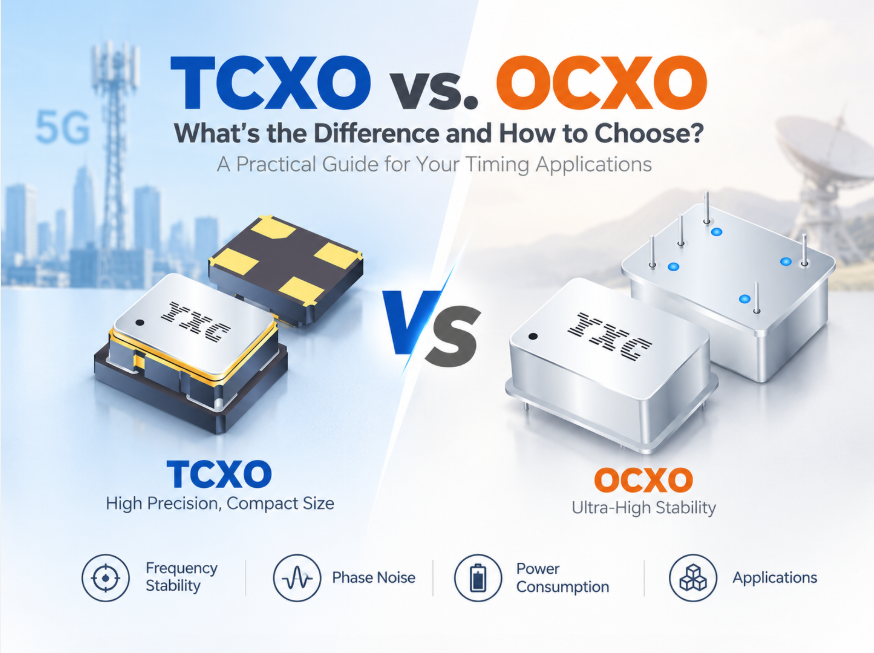
TCXO vs. OCXO: What’s the Difference and How to Choose?
TCXOs and OCXOs solve similar temperature-related frequency stability problems in different ways.
09/11
2026