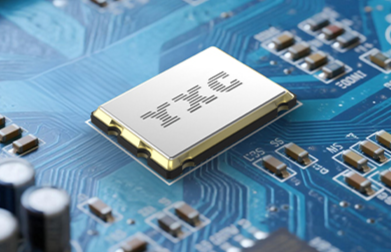
Crystal oscillator drive power testing and calculation
Test Method: Equipment Preparation: PCB board, crystal oscillator (with equivalent circuit constant data), oscilloscope, current probe. Circuit Connection: Desolder one side of the crystal oscillator pins, connect a lead in series with the current probe, and resolder it back onto the PCB, ensuring the circuit is intact.
11/13
2025
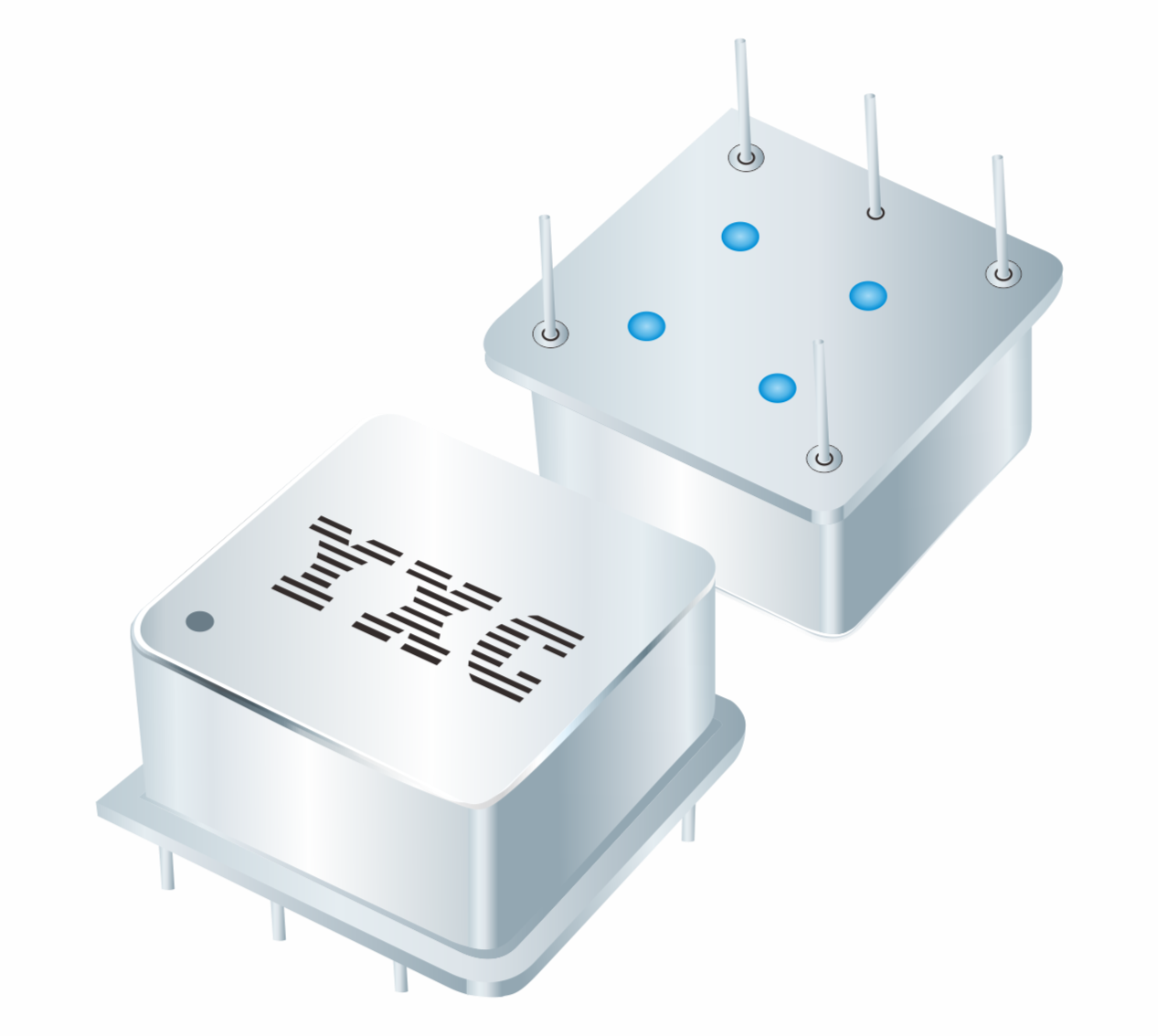
The YOV1919DP series temperature-controlled crystal oscillators represent YXC Yangxing Technology's latest achievements in high-stability frequency control. With its four key characteristics—ultra-low power consumption, fast startup, highly stable output, and low phase noise—it provides mobile communication and wireless systems with a frequency solution offering higher energy efficiency and faster response speeds.
11/10
2025
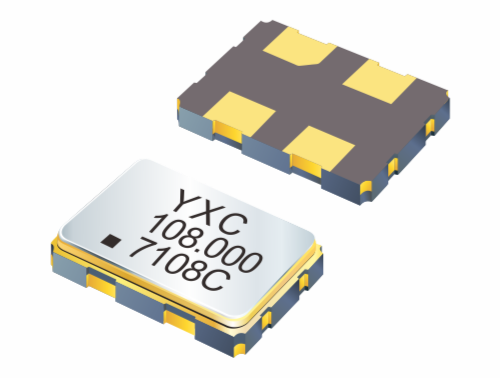
The difference between a programmable oscillator and an active crystal oscillator
Active crystal oscillator: A complete module integrating a quartz crystal and oscillation circuit. It directly outputs a square wave signal of a fixed frequency after power-on, requiring no external circuitry. Programmable crystal oscillator: A crystal oscillator whose output frequency can be set via programming. Users can adjust parameters such as frequency according to their needs, offering greater flexibility.
10/31
2025
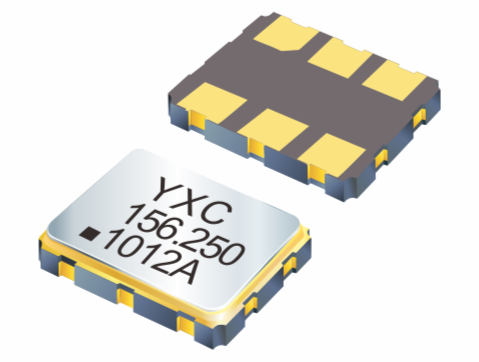
The YSO233UJ series differential crystal oscillators are specifically optimized for the critical frequencies of 156.25MHz and 312.5MHz in optical modules, featuring ultra-low jitter, wide-temperature stability, and high reliability.
10/29
2025
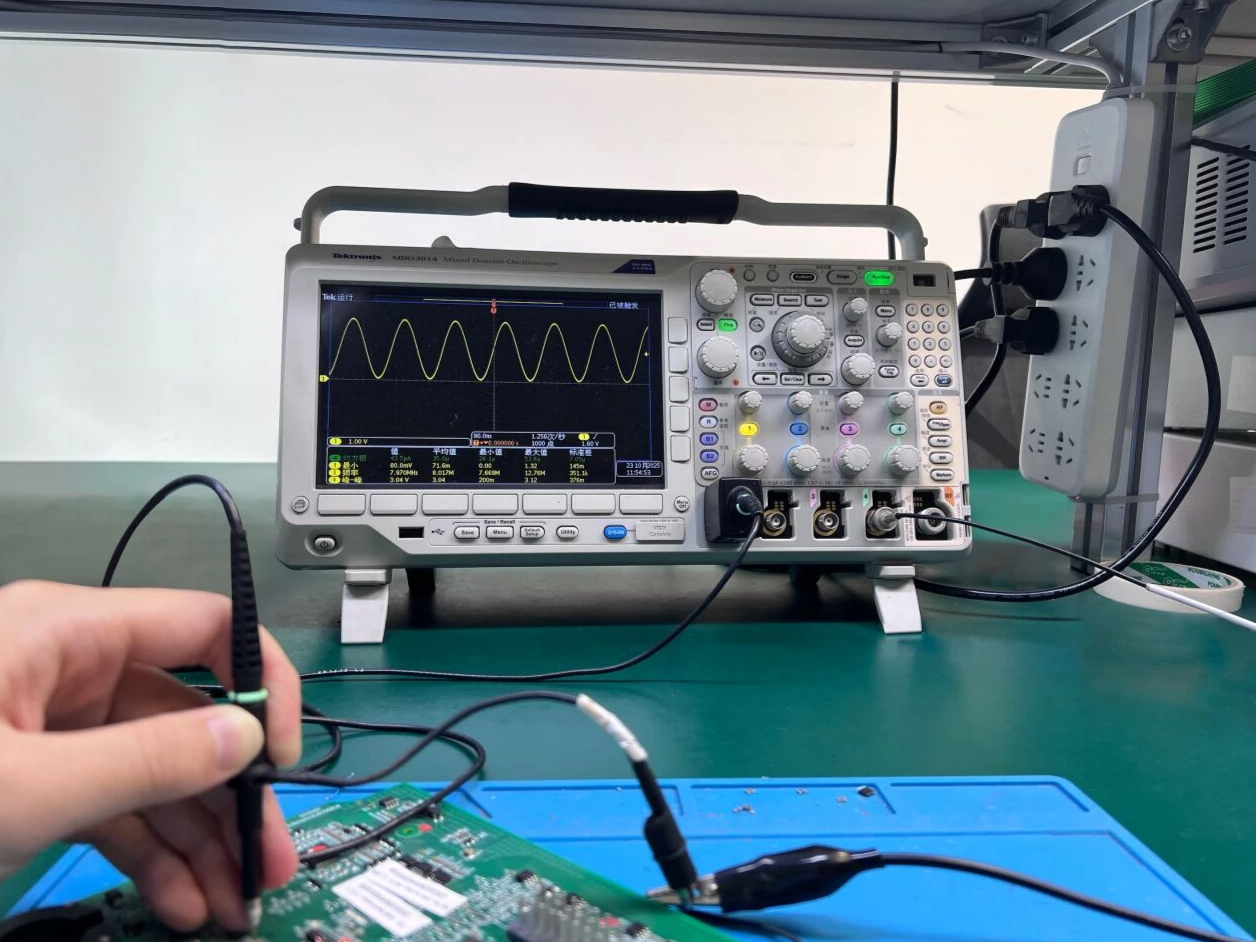
What to do if the crystal oscillator does not oscillate
As a professional crystal oscillator manufacturer, YXC brings you a systematic, accurate and efficient "three-step positioning method" - following the logic from the outside to the inside, from easy to difficult, to help you quickly narrow the scope of investigation and accurately locate the fault direction!
10/27
2025
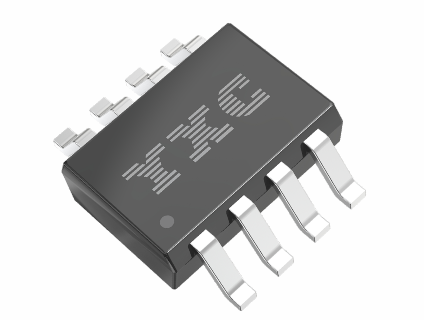
BMS - Why is it necessary to carry a separate RTC real-time clock chip
The RTC clock chip (YSN8563) integrates timer, alarm, clock output, accurate timestamp and other functions, providing convenience for system design and accurate fault location.
10/15
2025